How The #humansofcapetown Are Redefining Humanity Through Street Photography
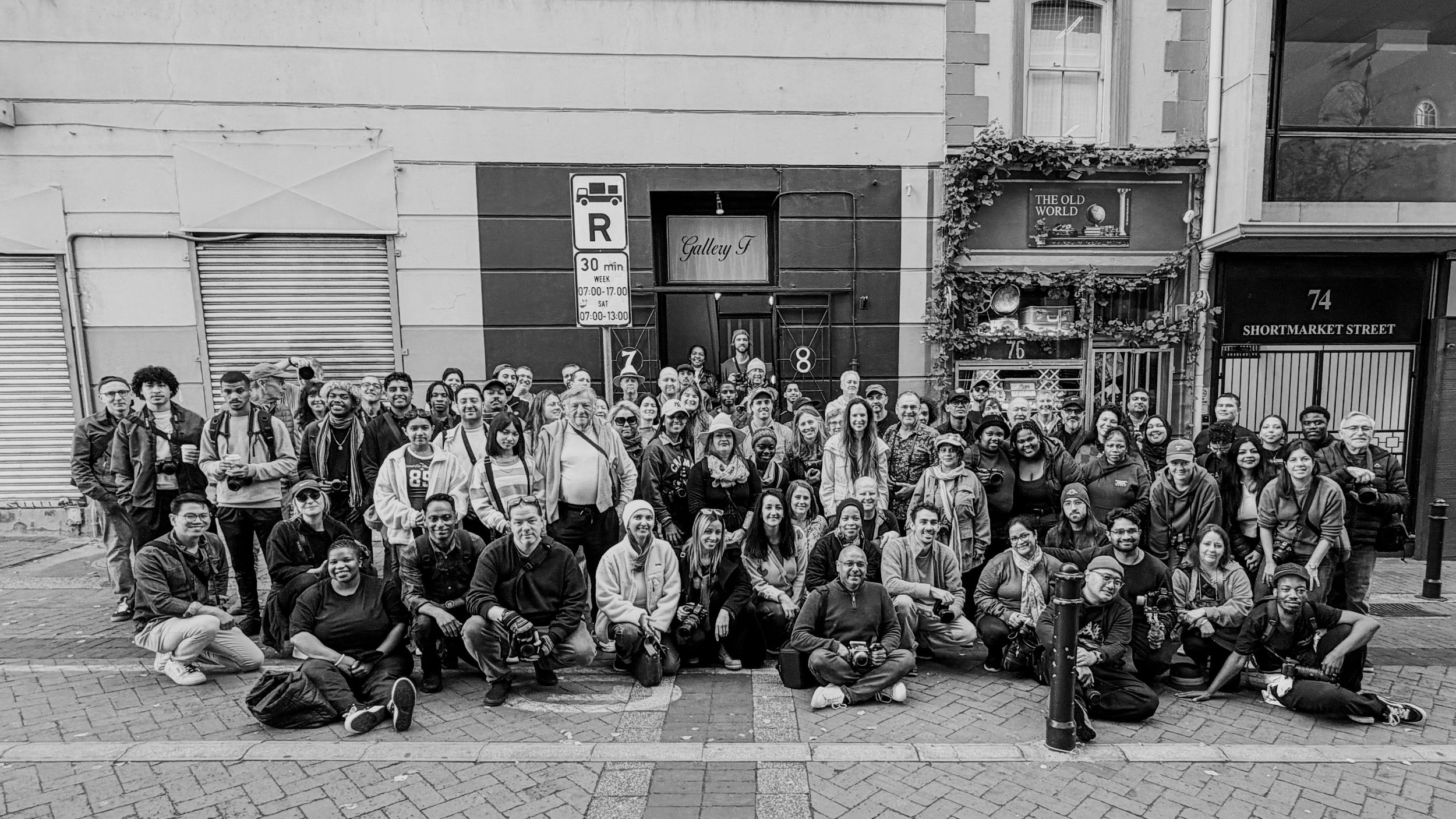
Image: Quaniet Richards
On July 4th, people from all over Cape Town converged under the warm studio lights at Dweba Art Gallery & Café. Dweba, located on Longmarket Street in the central business district of Cape Town, is a space where local and international artists spark dialogue, challenge norms, and inspire creativity through art installations and exhibitions. While the space provides all-day breakfasts and expertly brewed coffees, Dweba also treats its guests to collections of artwork that feed the soul. One such collection by Cape Town photographer Quaniet Richards made its monochromatic debut on the 20th of June and will remain open to the public until the 18th of July.
Richards, in the wake of the March and March protests and in the shadow of flagrant anti-immigration discourse which continues to saturate South Africa, has cultivated a community built on connection through creation. The community can be found roaming the streets of Cape Town on the weekends, taking scenic photographs of their surroundings, come rain or shine. Richards shared that the community, #humansofcapetown, began in 2024 with a ‘photo walk’ on a day when a Level 6 storm warning was issued, and where only two other people were in attendance. Today, the hashtag is home to over 5000 posts on Instagram, featuring striking photographs taken by people who attend the photo walks. The hashtag functions as a digital gallery, displaying and archiving the beauty of everyday life in Cape Town while also showcasing the inspiring, budding artistry of its residents.
#humansofcapetown has grown far beyond even Richards’ own imagination, with members of the community beginning their own photographic expedition initiatives. The hashtag has sparked the creation of offshoot communities including Humans of Moscow in Russia and Sisterhood in Focus taking up roots in Munich. Another member of the community has established architecture-focused photo walks in the spirit of #humansofcapetown. Richards says that the hashtag and the community were born from a desire to generate a space where people can feel that they belong.
On being asked why Richards chose ‘humans’ instead of ‘photographers’ for the hashtag, he offered that “photography is simply the reason we meet. Human connection is the reason we stay. I never wanted to create a photography club. I wanted to create a space where everyone feels welcome.” Common features of the Instagram posts which advertise the photo walks include an emphasis on any skill set being welcome, any camera being suitable, and free entry to those who wish to join, “no RSVP required.”
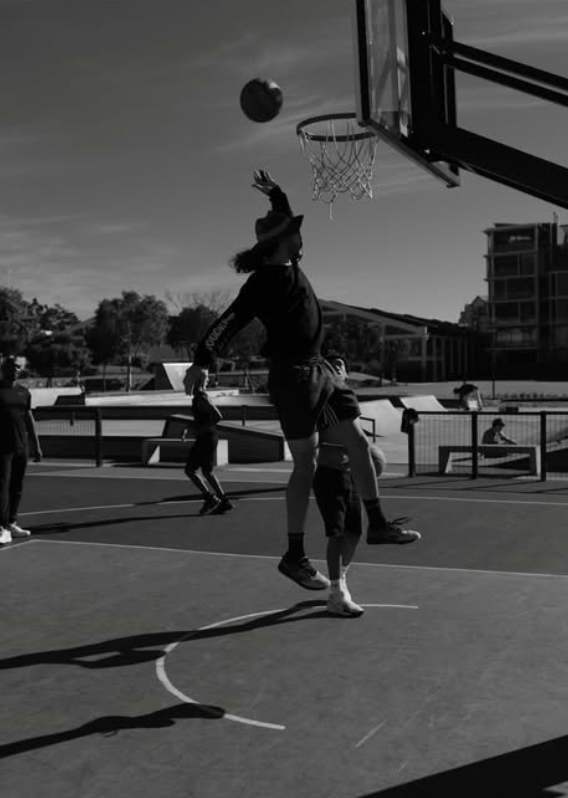
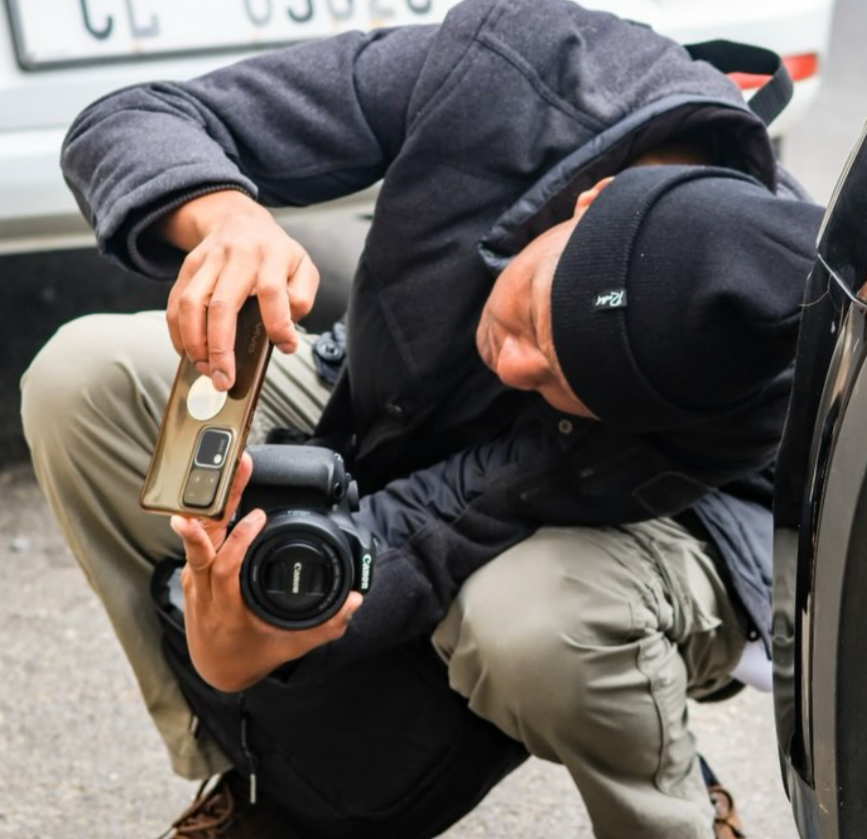
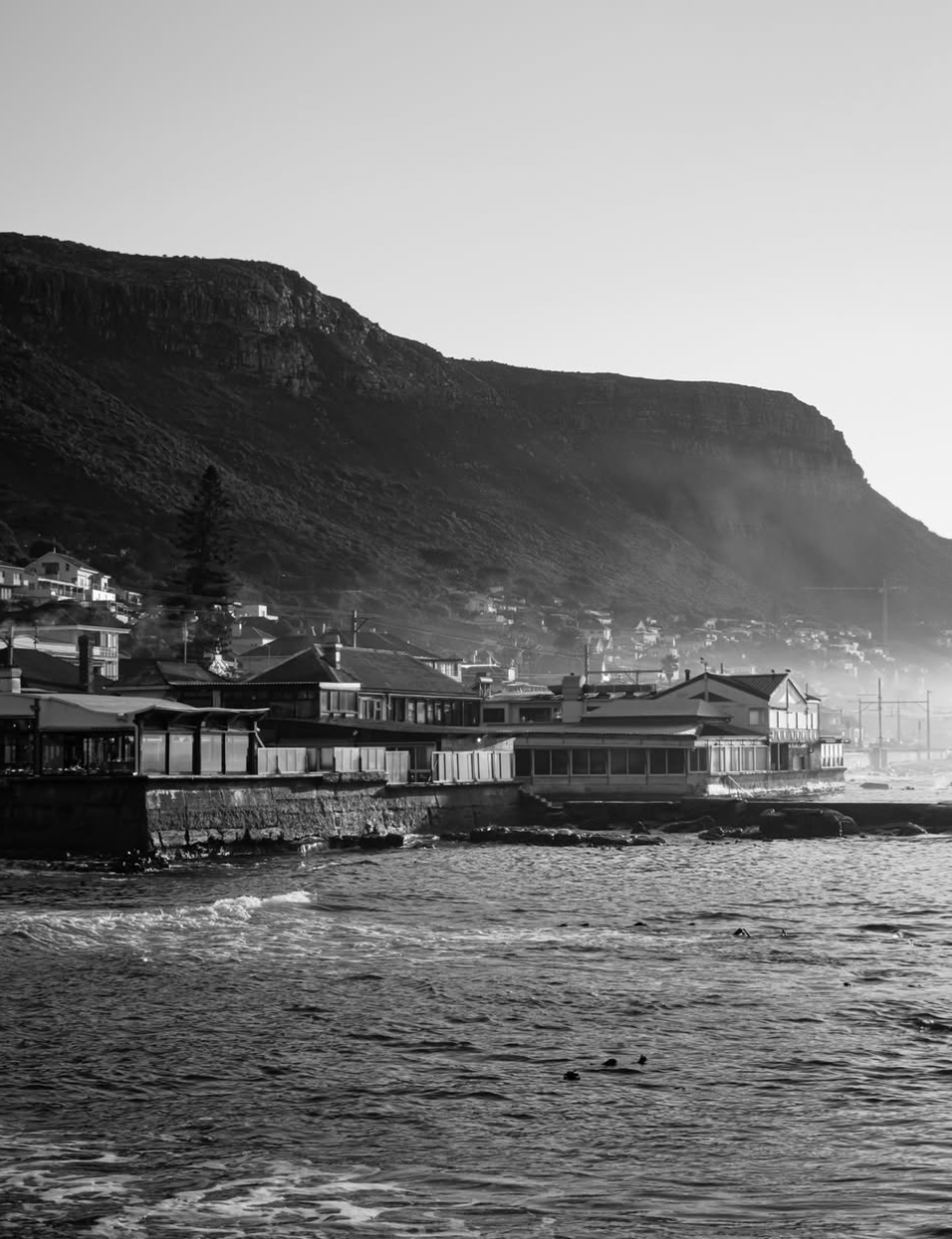
In the latest photo walk, Richards offered a live demonstration on how to ethically practice street photography as an art form. The participants, after having the pleasure of seeing his installation at the gallery, then had the opportunity to explore the streets of Cape Town and experience the philosophy of #humansofcapetown. Richards stated that after Covid-19, street photography helped him slow down and to notice people again, aiding in building meaningful human connections. He explained that in creating #humansofcapetown, he finds that “when people feel they belong and genuinely connect, they become confident enough to create something bigger than themselves.” As disconnect and an emphasis on difference continues to ripple through the streets of Cape Town, Richards and the #humansofcapetown coalesce to form a collective where everyone is welcome.
The photo walks typically feature guided expeditions throughout the city where people from all over Cape Town come to commune. Participants sometimes hail from as far as Riebeek Kasteel, Paarl, Stellenbosch and Somerset West. Richards says that in a city which can often feel divided, people from all walks of life converge and share in the joys of kinship and common interest.
Aware of the way in which the extraordinary beauty and profound inequality of Cape Town can exist side by side, Richards believes that street photography emphasises the act of people seeing one another, rather than seeing difference. He also notes that people are understandably more cautious of street photographers following the xenophobic attacks on foreigners in Cape Town. As a result, he feels that photographers have a “responsibility to build understanding rather than deepen division. Every photograph should remind us that our shared humanity is greater than our differences.” During the latest photo walk, Richards encouraged participants to connect with the people in their viewfinders, not as subjects but as human beings. He further championed that “kindness, openness and respect still matter. People usually sense whether you're there to exploit a moment or to understand it.”
Reflections as a motif commonly appear across Richards’ artwork. He says, “Reflections remind me that every person has a visible story and an invisible one. They encourage us to pause, look again and discover something deeper. They symbolise looking beyond appearances, connecting across our differences and discovering possibility within every human being.” His recent solo exhibition, Moments in Monochrome, features a body of work exclusively in black and white. When asked about whether there is a preference for black and white, Richards responded with, “black and white removes distraction and strips a photograph back to emotion. It allows us to focus on expression, gesture, light and humanity.” Richards believes that despite the growing xenophobic unrest, “photography can change the way people see one another.”