Pit Latrines, Missed Deadlines and the Broken Promise of Protecting South African Children
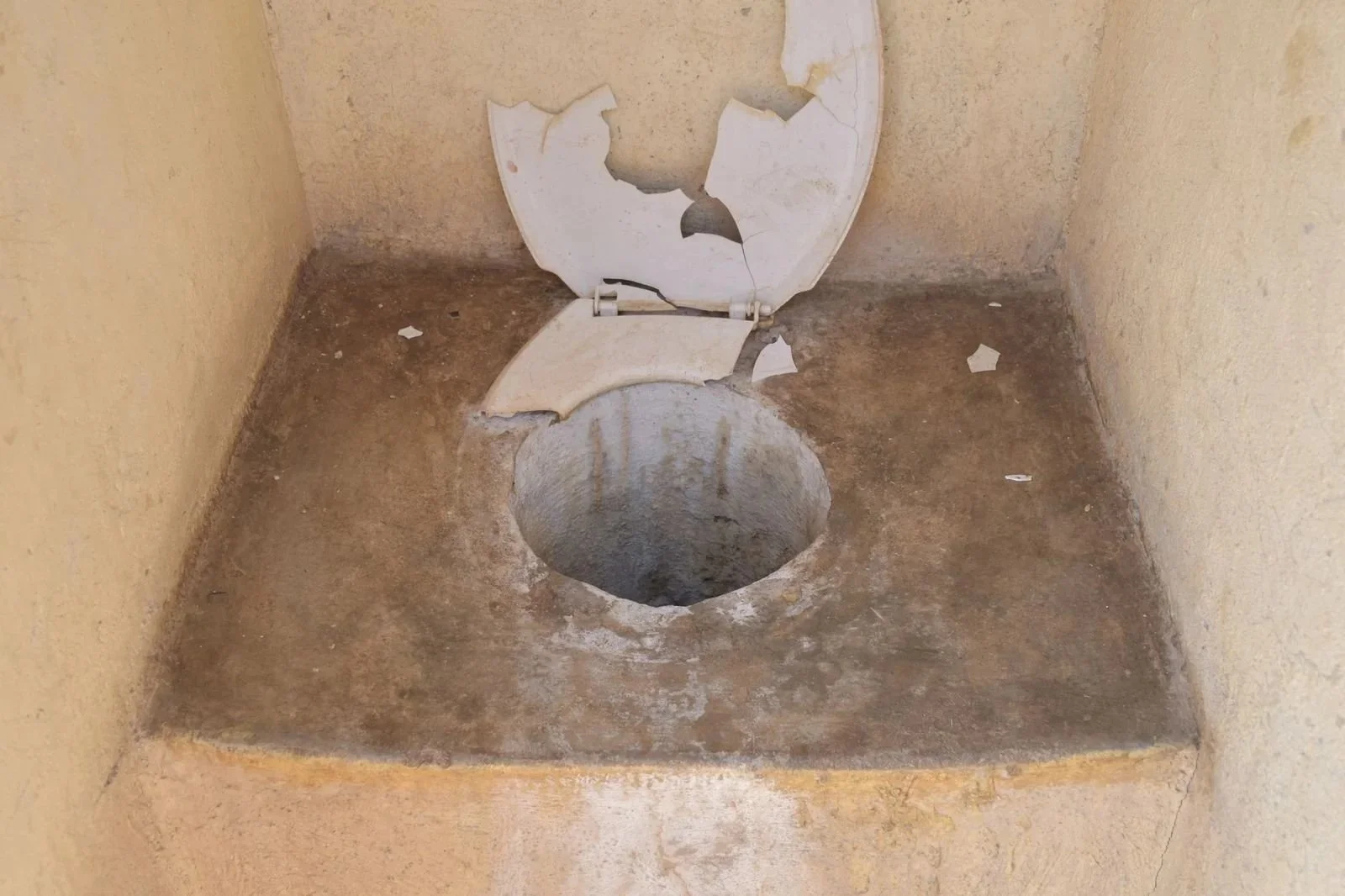
Photo: Adam Yates
In November 2024, Minister of Basic Education Siviwe Gwarube valiantly pledged to eradicate all pit toilets in South African schools by 31 March 2025. Speaking through Daily Maverick, she said, “It is about showing our young people that we care about their health, safety and dignity.”
On 4 April 2025, Gwarube announced that the Department of Basic Education had reached a significant milestone: 96% of identified pit toilets had been eradicated through the Sanitation Appropriate for Education (SAFE) initiative. Progress matters, but statistics offer little comfort to families who lose children due to unsafe infrastructure.
4 months after Gwarube’s deadline had passed, six-year-old Avethandwa Kunene lost his life after falling into an unsecured septic tank at his primary school. When the DA visited the school, they found it to be neat and well-managed, pointing out that the tragedy was a result of an infrastructure failure that has systematically put school children across the country in danger. As recently as this month, Ungentanto Yena was found floating in an unfinished pit toilet at her crèche in the Eastern Cape. She was one year old, and it was the second child the Yena family had lost on school premises in just two years.
No child should face the risk of death when going to the toilet at school.
As we mark the 50th anniversary of the Soweto Uprising, it’s difficult to ignore a continuity between the past and present: when the state fails to provide safe, dignified and equal education, children pay the price. In addition to protesting Afrikaans as a medium of instruction in schools, the children of the Soweto Uprising were challenging the Bantu Education Act of 1953 and the apartheid regime as a whole.
The Act was designed to groom non-White children to work in manual and unskilled labour that the government deemed suitable for them. By denying them equal educational opportunities and resources that white children had access to, the Act deliberately aimed to inculcate the idea that all who were not white were to accept that they were subordinate to white South Africans.
Today, we see how the spatial and economic inequalities designed by the apartheid regime continue to shape educational outcomes decades later, with our democratic government ensuring these realities persist. South Africa’s dual education system prepares children of the privileged for university, professional careers and financial independence, while far too often failing to prepare those from disadvantaged backgrounds with the same opportunities.
Where some schools may have adequate sanitation facilities, they fall short in areas like access to reliable internet, textbooks, and qualified teachers. Others have overcrowded classrooms. This disproportionately affects poorer, rural communities. This year, a number of schools in KwaZulu-Natal started their academic year without textbooks after the Provincial Education Department failed to procure textbooks. For learners who depend entirely on the state for access to education, it means they are left behind. In turn, we see poorer academic results, not because they lack the ability, but because of profound systemic disadvantages.
These disadvantages are compounded when public resources intended for education are mismanaged. When a R1.6 billion textbook tender is, in part, awarded to Lighthouse Publisher, a company that was allegedly formed 3 days after the details of the contract were issued, little confidence can be put in the Department of Basic Education’s promise of equal education.
The deaths of children in unsafe school environments are the most devastating symptom of a failure by our government to guarantee every child their constitutional right to equal education, health, safety and dignity. Children like Ungentanto cannot organise marches, lead protests or demand accountability from those in power; they depend on adults to protect them. It is up to us to ensure that the government prioritises their safety.