Anthropology, Archaeobotany and the Multiple Perspectives of Identity
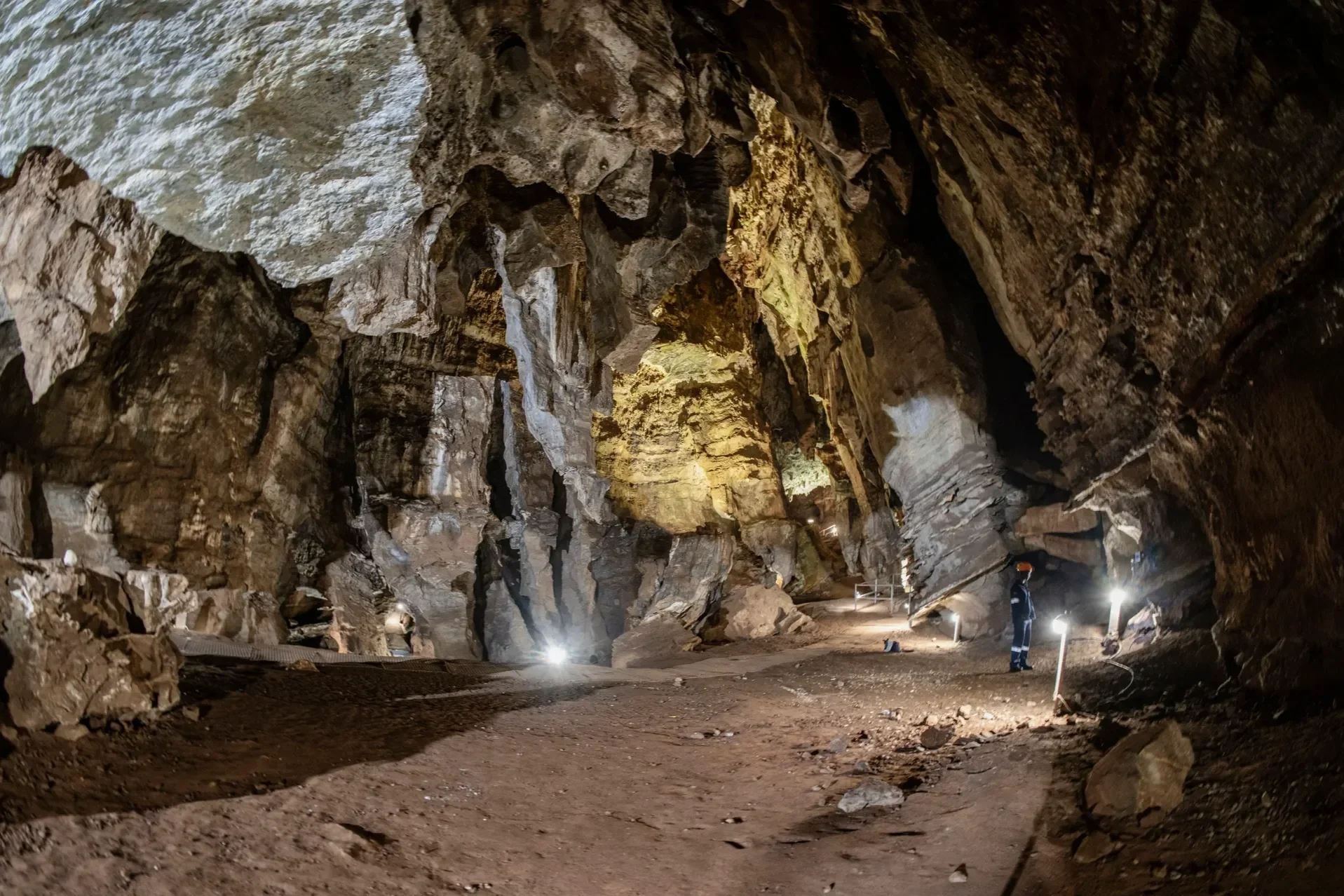
Image: Ihsaan Haffejee
When most people hear the word archaeology, they picture dusty excavation sites and researchers carefully brushing dirt off centuries-old artefacts. While those images aren't entirely wrong, they only scratch the surface of a field dedicated to understanding the human story.
Archaeology helps us uncover how people lived, adapted, and interacted with the world around them, offering valuable insights into the origins of our cultures, identities, and societies. In a country as diverse and historically rich as South Africa, these discoveries play an important role in helping us understand our past and present.
I sat down with University of Johannesburg first-year master's candidate Dimpho Malematja to explore this fascinating field. Studying in the Department of Anthropology and Development Studies, Malematja specialises in archaeobotany, a branch of archaeology that studies ancient plant remains to better understand how people lived and interacted with their environments. Through her research, she is helping uncover the often-overlooked role that plants played in shaping human history, while contributing to a growing field that continues to reshape our understanding of the past.
Q: How would you describe anthropology to someone new to the field?
A: Anthropology is a broad field that explores what it means to be human. It examines identity, where we come from, how we interact with our surroundings, how we’re perceived, and how we relate to others. Essentially, it’s a journey through identity, from the past to the present, and how that shapes who we may become in the future.
Q: How would you describe your area of specialisation within anthropology?
A: I study archaeobotany, a relatively new subfield of archaeology focused on ancient plant remains. While it might not sound exciting at first, it reveals a lot about how our ancestors lived. Plants weren’t just used for fuel. They also had medicinal, construction, and cultural significance.
Archaeobotany also highlights the plant knowledge still present in many Indigenous and marginalised communities today. These communities often rely on traditional medicinal and healthcare systems because modern facilities aren’t always accessible. So the field connects how early humans used plants to survive with how plants are still used in contemporary communities.
Q: What makes anthropology particularly relevant in South Africa?
A: I’d break it into two parts. First, in terms of culture and identity, anthropology gives us a framework to understand behaviour and how cultural traditions intersect. Despite South Africa’s diversity, there are shared customs that link communities. Second, archaeologically, South Africa is incredibly rich. Sites like the Cradle of Humankind at Sterkfontein have given us key insights into human evolution and our origins.
Q: How does anthropology help us understand identity in a diverse country like South Africa?
A: The main contribution is offering multiple perspectives. Identity isn’t fixed; it’s shaped by different customs, teachings, and experiences from other cultures. Anthropology avoids a single definition of identity. Instead, it shows identity as a collection of biological, cultural, and historical influences that accumulate over a lifetime.
Q: Can anthropology explain why people feel pressure to fit in?
A: It can offer a broad view, but not a definitive answer for each individual. Social and cultural anthropology show how culture shapes perception and how people interpret their reality through cultural norms. Those contrasts often lead to feelings of exclusion or being “out of place.” While anthropology explains the wider social dynamics, the individual reasons for feeling pressure are more personal.
Q: Why should young people care about anthropology?
A: Anthropology provides multiple perspectives, which help ground you in your identity. To understand who you are now, you need to look back at your roots and forward to your future. It shows how social and cultural forces shape concepts like masculinity and femininity, and what it means to be yourself today. It also encourages you to think ahead: What does your identity look like? What choices define it?
Q: What role has the University of Johannesburg played in advancing anthropology?
A: The Department of Anthropology integrates different anthropological subfields throughout the undergraduate degree, not just in one module. Students are taught archaeology, cultural anthropology, medical anthropology, and more from the start. Postgraduate seminars also give students a platform to present their research, receive feedback, and develop their skills in a supportive environment.
Q: What key initiatives or projects stand out at UJ?
A: Writing retreats have been key to developing research and writing skills. Fieldwork and excavations are also fundamental; they teach students that archaeology isn’t just about what you find, but understanding the context and roots of our ancestors. Projects focused on the Khoisan people and ritualistic practices have also given students opportunities to engage directly with research and take away practical experience.
Q: What’s your proudest achievement so far?
A: Taking initiative. Many students wait until the end of undergrad to plan postgraduate study, but I started in my third year. I approached a lecturer about excavations, which opened doors to archaeological societies and connections with experts in the field. Taking that first step has been my biggest achievement.
Q: What day-to-day challenges do you face, and how do they shape your work?
A: Funding is the biggest challenge. It affects everyone, not just great ideas. I’d also say working in an interdisciplinary field means you can’t stay in one lane. You have to engage with other disciplines and learn how to integrate different perspectives while still specialising in your subfield.
Q: What are you currently working on?
A: I’m in my first year of my Master’s, studying an archaeological site in the Western Cape. My goal is to put archaeobotany on the map by refining methods for identifying ancient plant remains. I’m also looking at plant dynamics to understand how people in the past made decisions about resources, and how much knowledge our early ancestors had about plants
Q: What advice would you give someone curious about anthropology or archaeobotany?
A: Two things: take initiative, and don’t fear rejection. Put yourself out there and seek opportunities. They won’t always come to you. And show humility and curiosity in everything you do. Those two qualities will guide where you go and how far you get.
Q: What does the future of anthropology and archaeobotany look like in South Africa?
A: I think both fields will be redefined. The limitations we face now will give way to a clearer, more refined understanding of what anthropology and archaeobotany can do. With the integration of 4IR technologies, these fields will be crucial for understanding not just identity and culture, but how they intersect. Ultimately, they help answer the question: who do you want to be, and how do you want to represent your culture in academia?