‘Experience over qualification’: The glaring reason SA graduates might not be getting hired
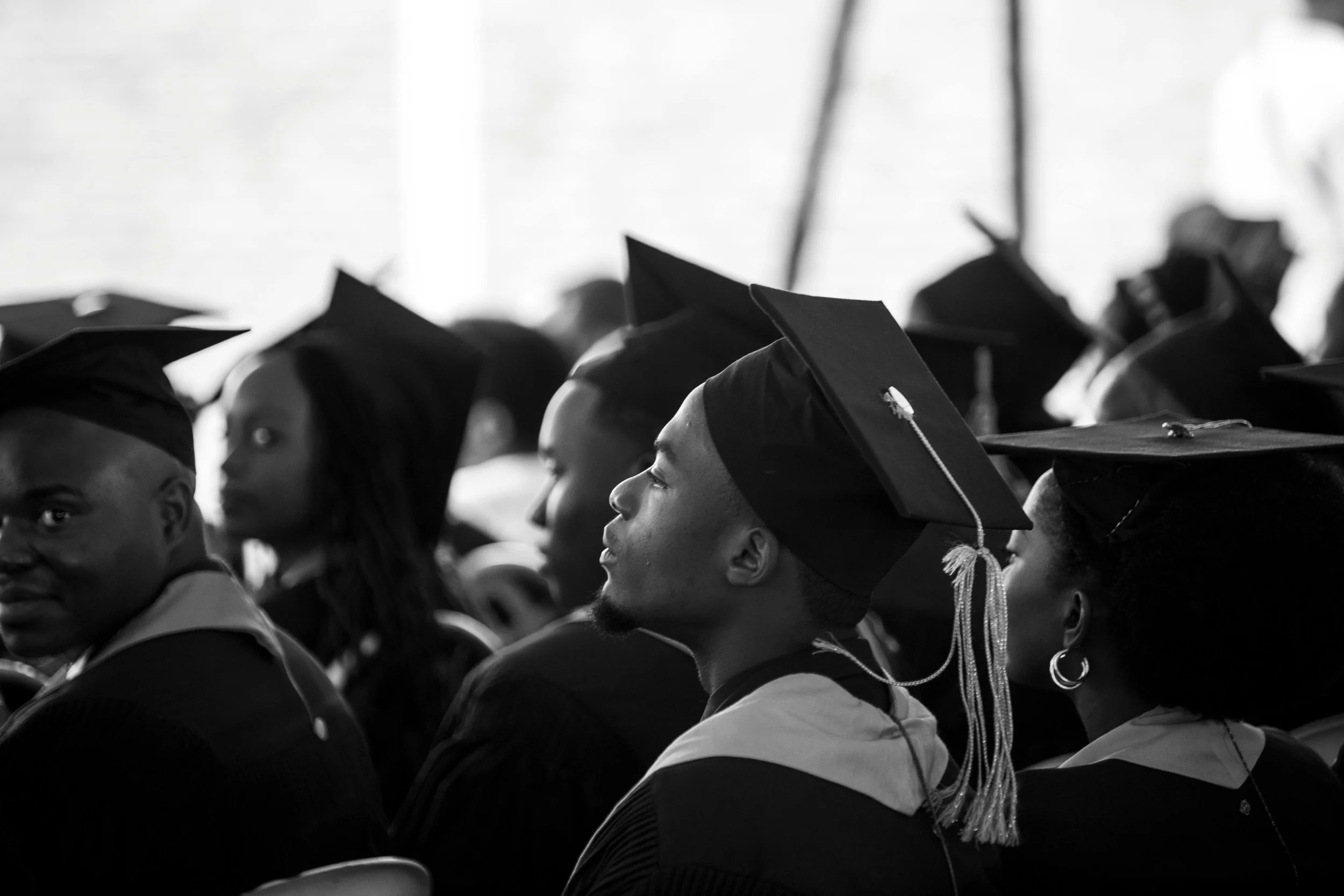
Image: Safari Consoler
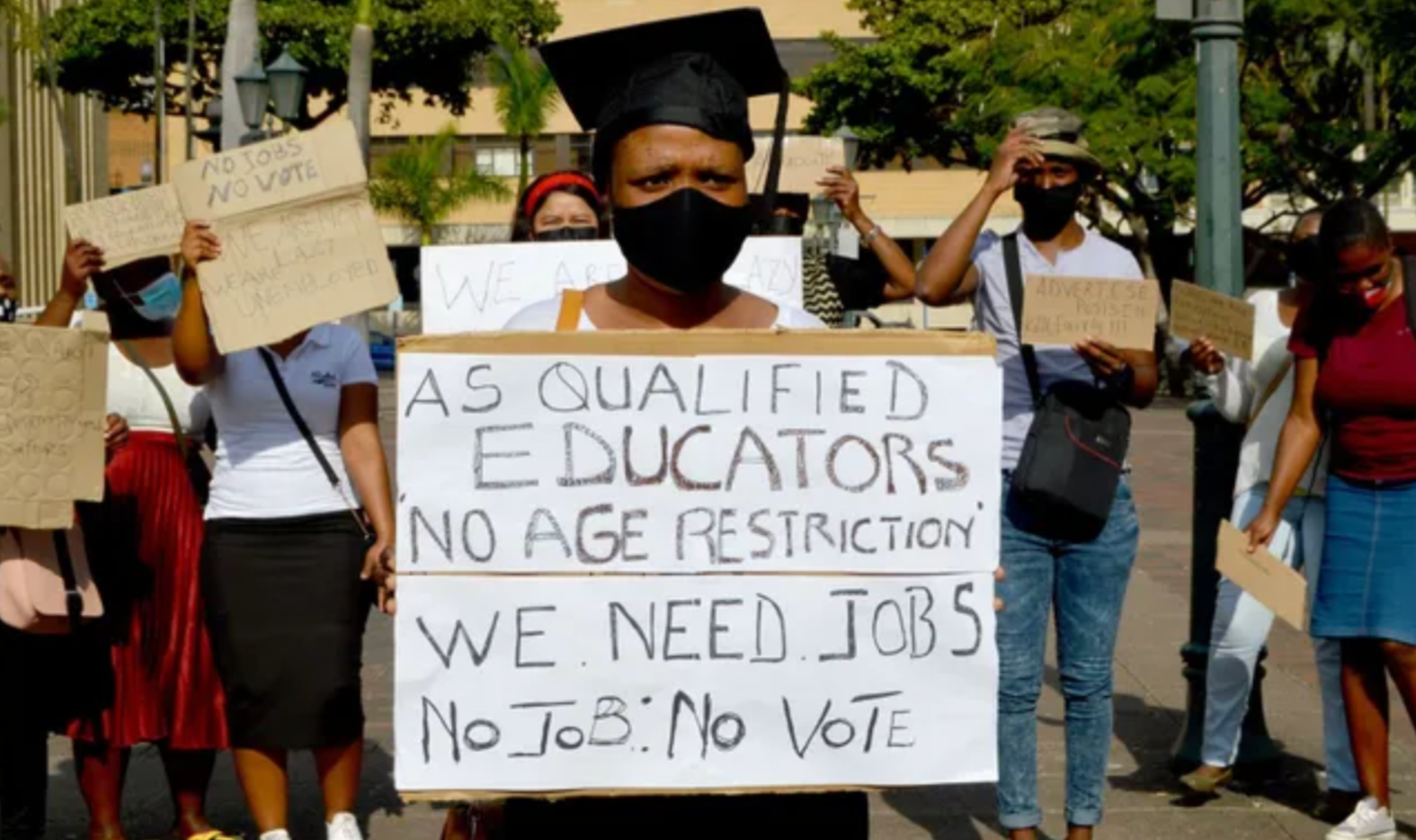
The honoured graduation ceremony involving formal speeches and the presentation of certificates conferred by a Chancellor or Vice-Chancellor is always sold as the ultimate finish line to victory. However, when the ceremony ends and the gowns are returned, a cold reality sets in as the qualification obtained is no longer the “golden ticket” it used to be. Competition becomes steep as every graduate is job hunting, and hiring managers prioritise experienced graduates, even for internship roles.
NEW RULES OF THE HIRING GAME
In a competitive hiring market, standing out requires a blend of networking, niche experience, and a personal brand that speaks louder than your certificate.
Boston Media House (BMH) graduate Rene Evans explained that when he interviewed for his current position at Universal Music SA, HR mainly focused on what experience he gained, rather than what qualifications he had.
“Networking landed me the job. Previously, I worked with an artist who was signed under Universal Records, who I produced beats for and eventually found myself handling his social media pages, emails and bookings. I practically became his assistant manager. From there, he recommended me a Digital Marketing Strategist job opening at Universal SA, and the rest was history,” he said. “Your qualification gets you to the door, but networking and having the correct experience get you inside because it’s what skills you’ve gained that open the door.”
I spoke with two BMH third-year students, one majoring in Television and the other in Digital Marketing. Their perception was mostly the same. Nkateko Mokhari, the Digital Marketing student, shared that knowing clients is quite a challenging thing to do, especially when conducting research for assignments. She finds her degree difficult because it requires her to know the internal (workspace) and external (clients) factors.
When asked what stood out to her in an entry-level job description, she said, “The experience. Honestly, it’s ridiculous. Companies are expecting new grads to have experience right after college. So, for me to prepare for my career outside school, I attend expos, I socialise and network with people in the industry because connections will never come to you, but they are created by you.”
Shila Mathaba, the Television student, echoed the same perception and added that to gain experience, he freelances by filming and photographing to build his portfolio. “I hope my portfolio will present me and my capabilities well, and my portfolio will at least be my reference when applying in the real world,” he said. As much as pressure escalates, it seems as if students are preparing for the workspace in a way they know how.
Imagae: Tumi Pakkies
A PRACTICAL PIVOT
The biggest mistake students make is focusing only on their studies. While the lecturers provide theory, the real secret to being hired lies in the ‘recess hustle.’ From building a living portfolio to networking and freelancing during semester breaks, the action plan is what most students should look at. The work done outside campus is what will keep you from struggling after graduation. Justine Beauty Team Leader Matshediso Pitso shared that new applicants, mainly graduates, don’t conduct research about the job and company they are applying to. This makes recruiters see the void between a potential candidate and someone who is just looking for a job.
“Graduates should volunteer to make their CV stronger because, as recruiters, we look at experience over qualification, unless it is an intern, then we look at the marks and testimonial. The advice I would give graduates is: do research in preparation for the job, check out interview tips and increase your communication skills, but also not forgetting to be emotionally intelligent as companies look for anything that stands out to them,” she added. The action plan is just as essential as your qualification.
GOING BEYOND THE BOOKS
CareerVillage experts Shelly Lin and Neha Khairnar advised that having your qualification is just the entry fee, and to actually land the job, students need to build a “living resume” while studying. Some of the survival tips that a student or graduate will have to consider when applying in the near future are:
Semester-break freelancing: Use your breaks for more than just rest, whether it’s in sales or contract work, freelancing proves you can handle clients, deadlines, and real-world pressure.
A living portfolio: A CV says what you know, a portfolio shows what you can do. Gather your best sample projects and testimonials to showcase your abilities in the professional space.
Volunteering: Joining NPOs or NGOs, whether church-based or community-led, prunes your soft skills and proves you can work well within a team, while also providing a reference to recruiters.
Having a research mindset: Stop waiting for information to be handed to you; instead, conduct research, network with agencies, attend expos, join summits, reach out to managers for insight, and ask relevant questions before even needing the job.
As the next wave of graduates prepares to walk across the stage, the message is not one of despair, but of a necessary pivot. The gown is a symbol of academic achievements, but it isn’t a suit of armour for the job market. For students like Nkateko and Shila, career prep is important, and encouragement is passed to all students by Justine Beauty Recruiter, Matshediso. It’s never too early to job shadow, network, and build that portfolio, but it can be too late to bag the job you studied for when waiting after graduation to start.