“Creativity is Not Limited to a Single Form,” 22-year-old Pelo Phonyo shares on Creativity as an Outlet
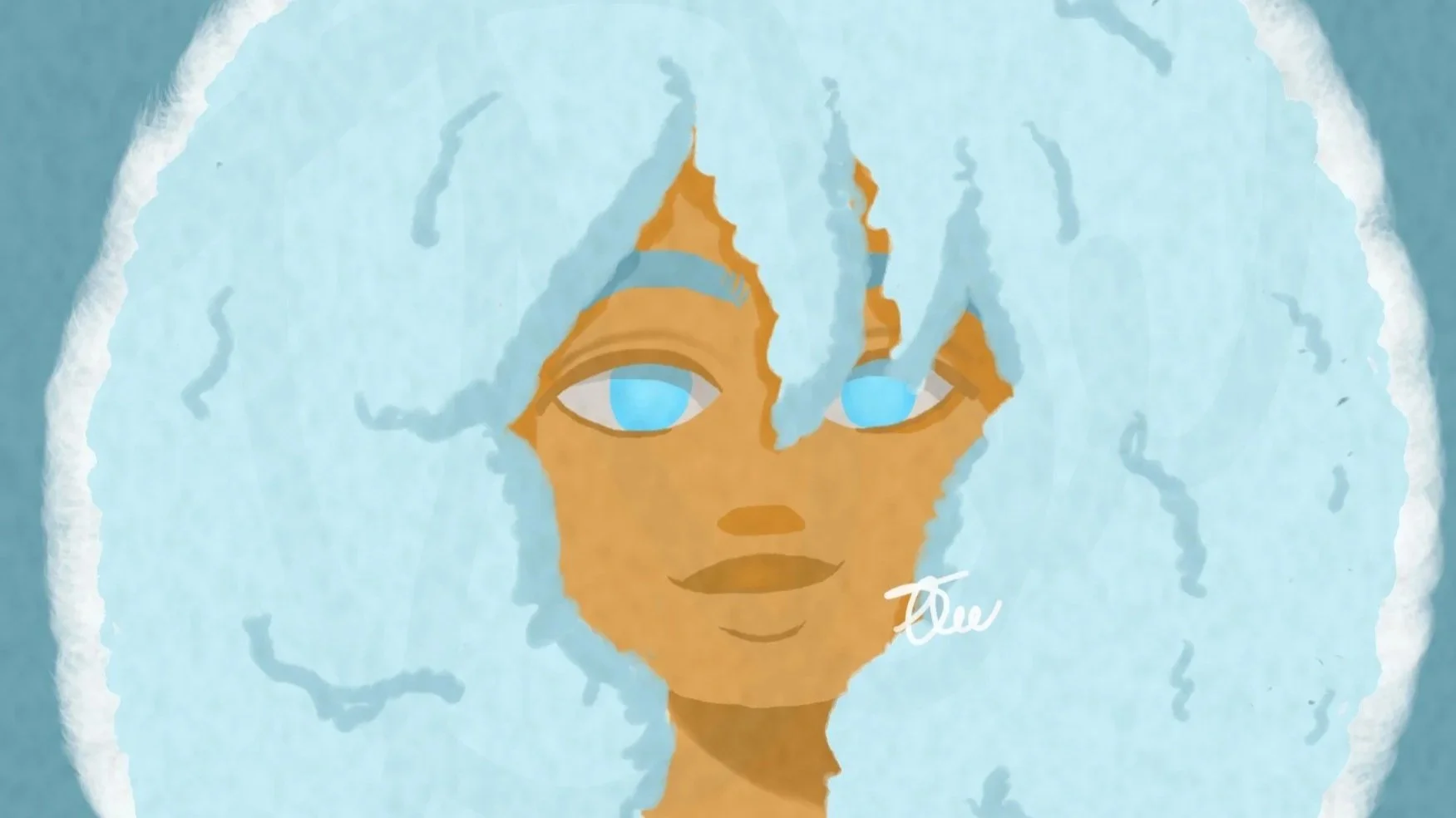
Art: Moratuwa by Pelo Phonyo
Stress often finds its way into quiet minds, lingering far past its welcome and clouding our clarity. For Pelo Phonyo, however, the antidote to that internal noise is simple: a pencil, a blank page, and a fine line of art.
Drawing has served as a primary anchor to Phonyo, she says. A sanctuary where anxiety is turned into tangible meaning. By merely translating an overwhelming emotion into a visual art, the act of putting pen to paper becomes less about escapism and more about finally making it all make sense.
At 22 years old, Pelo is a writer, dancer, and visual artist whose creativity became a part of her life since early childhood. Her artistic journey began when she was just two years old, playing with paints and colours while in kindergarten. What started as childhood curiosity gradually became something much deeper. Over the years, she continued to turn her imagination into something tangible, finding different ways to communicate what she could not always express verbally.
Pelo describes herself as a “pretty reserved and introverted individual,” and for her, art has become an important outlet. Creativity provides her with a sense of sanctuary, a place where her thoughts and emotions can exist without having to be explained or justified.
“Thoughts and emotions don’t just disappear when they’ve already come up inside you,” she explains. Instead of allowing those thoughts to remain bottled up, Pelo uses creativity as a space to acknowledge them. Her art becomes a way of processing ideas, reactions, emotions, and inspirations that might otherwise remain unspoken.
Her academic journey reflects the same diversity found in her artistic life. Currently pursuing a Bachelor of Arts, Pelo has explored disciplines including Psychology, Sociology, Sesotho, and Sign Language. Although her primary areas of focus are Philosophy and Criminology, her interests extend well beyond the boundaries of the classroom.
At first glance, these subjects may appear distant from dance, writing, or visual art, but Pelo sees them as interconnected through her curiosity about identity, society, and the world around her. Her understanding of creativity is also deeply influenced by her spirituality. Identifying as a traditional African spiritualist, Pelo views artistic expression through a spiritual lens. For her, creativity is not simply an activity or a talent. It is a way of remaining connected to the spirit and fulfilling what she considers a virtuous, divine calling. “I’m just a reflection of the Creator of Creations,” she says.
This belief also shapes how Pelo understands her place within the art world. Rather than seeing artists as entirely separate individuals competing for recognition, she believes that people are different expressions of a higher being. Each person carries their own way of creating, interpreting, and experiencing the world, even if, ultimately, they are “the same or different.”
Living with ADHD has also influenced the way Pelo approaches creativity. Boredom, she acknowledges, can be a frequent visitor, but it has also taught her that creativity is not limited to a single form. When one form of expression no longer feels fulfilling, another can take its place. She moves between writing, dance, and visual art, allowing each medium to offer something different. Through this constant movement, Pelo has come to embrace what she considers her core identity: a storyteller.
For Pelo, storytelling is more than a skill. It is a language through which she understands herself, connects with something greater than herself, and transforms inner experiences into something others can see, hear, or feel. Her journey demonstrates that creativity does not always need to arrive with certainty or a clear purpose. Sometimes, it begins with nothing more than a blank page, a wandering thought, and the courage to give that thought a form.