“We’ve Learned Not to Depend on Them”: Khoisan Chief About City in The Wake of Upcoming Local Government Elections
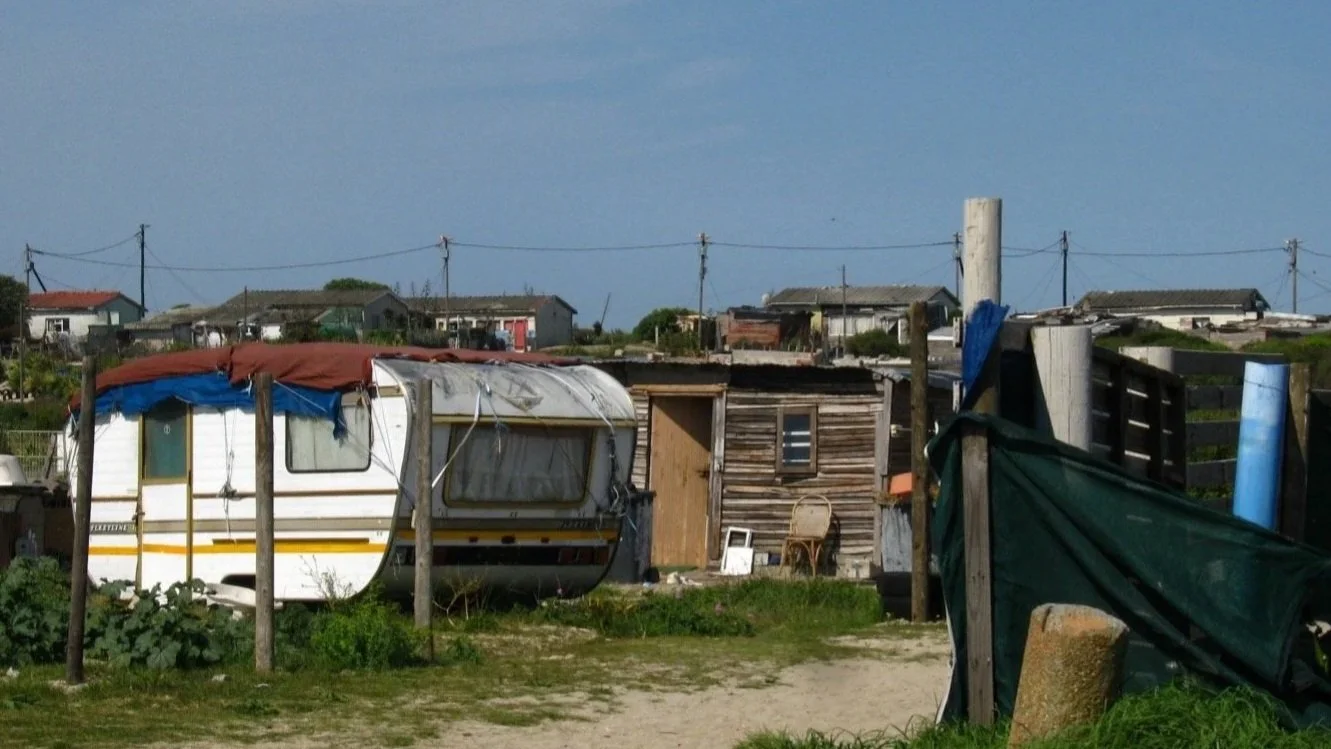
Informal settlement with access to electricity, bordering the off-grid Aboriginal Khoisan Kraal in Strandfontein
Image: Nurah Fisher
The Aboriginal Khoisan Kraal in Strandfontein, a peaceful, human settlement, remains marred by near-constant police surveillance and unfulfilled promises made by the City of Cape Town. Wayne Fortuin, chief and resident of the kraal (village), has dedicated the better part of his career to working for the South African Police Service (SAPS) in the VIP Protection Unit and as a training instructor for junior officers.
Chief Fortuin says that now, the same duty to serve and protect held by SAPS does not extend to his community inside the kraal. The kraal is a community project on erf 1212, established in 2022 after shockwaves of COVID-19 continued to ripple through vulnerable communities in the Cape Flats. The pandemic triggered economic fault lines in these areas, resulting in mass joblessness and homelessness for many of the residents who live in the kraal today. They say that although COVID-19 created upheaval and instability, the community saw opportunity and created a site which today serves as a cultural heritage repository for traditional Khoisan practices.
Although well-known to chiefs hailing from kraals and Khoisan Royal Houses in areas like Montague, Kimberly and Paarl, the Strandfontein aboriginal kraal faces many challenges. Despite winning one of many legal battles against the City in a fight for recognition and reclamation, the residents endure daily police surveillance and municipal harassment. Chief Fortuin reported that at on one occasion, 14 SAPS vehicles could be seen stationed outside the kraal.
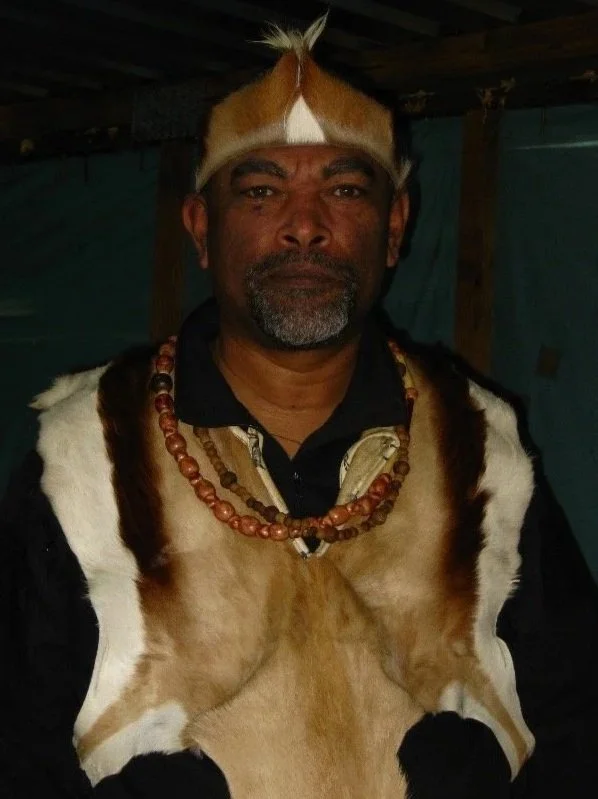
Chief Wayne Fortuin in traditional Khoisan attire via Nurah Fisher
As police presence outside the settlement dwindles, the City compensates by prowling the perimeter of the settlement in municipal vans by day, and via drones by night. This raises concerns for female residents of the kraal, as well as for residents who have young children. Being one of the first Royal Houses to win a court case against the City is, however, a source of pride for the community at large, Chief Fortuin remarked.
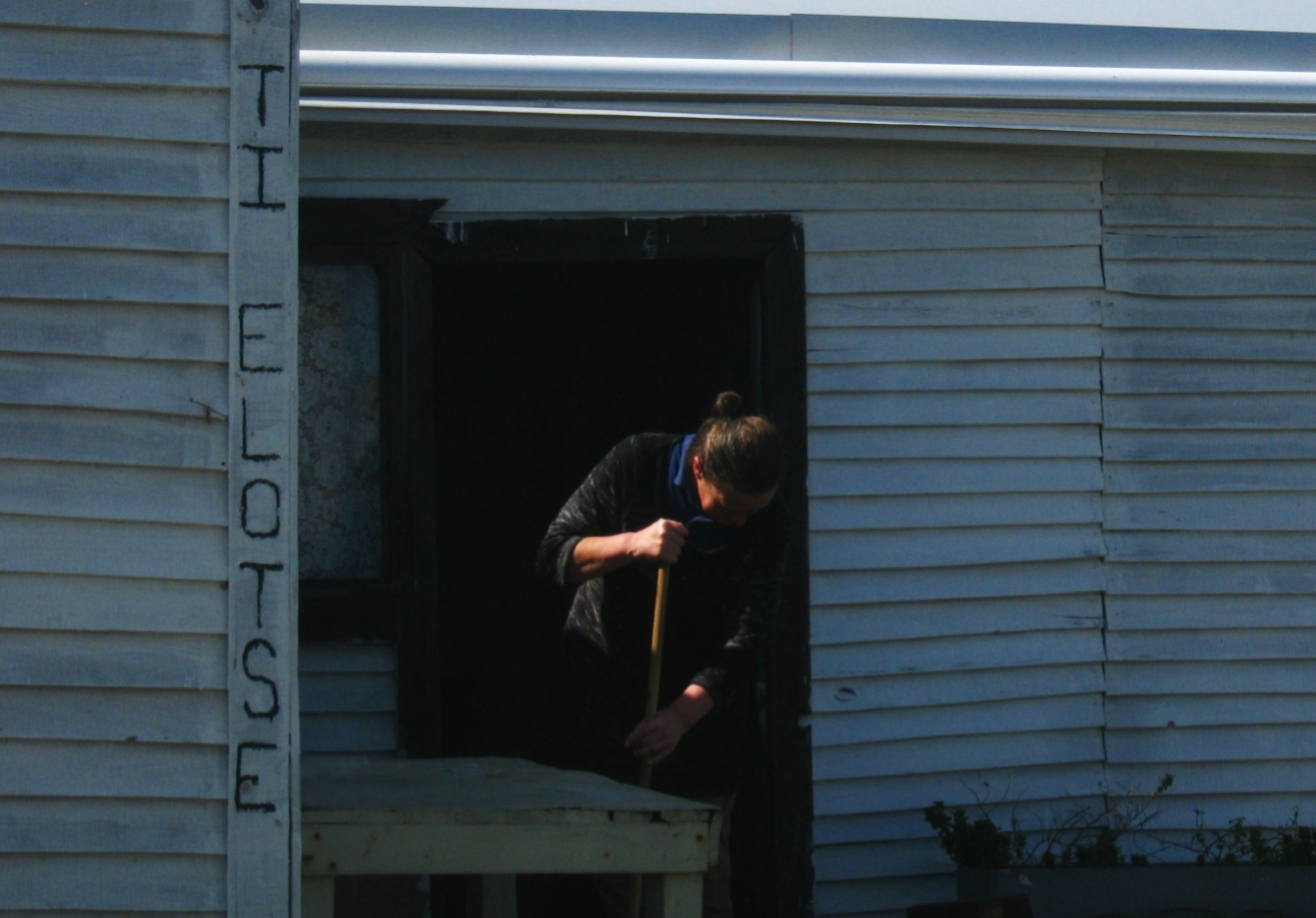
Deborah, wife to Chief Fortuin, sweeps her front porch via Nurah Fisher
Text: “gangan tsi, koda tsi, ti elotse” – “We thank and praise you, my God”
The kraal’s ongoing court case against the City has reached a standstill in recent years after the Western Cape High Court ruled in favour of the City, preventing “the occupation of erf 1212” where the City has several developments planned. The court's ruling also prohibits the residents from erecting further structures on the plot; however, it did not give the City licence to evict.
The City claims that heavy police presence outside the kraal is to ensure the prohibition of any new structures being built on the property. About the overwhelming police presence, residents say, “we’ve learned not to depend on them” as the officers on duty remain reluctant to respond to emergencies and offer little comfort to vulnerable members of the community such as women and the elderly. The lack of urgency from police was confirmed by Chief Fortuin who said, “they won’t respond to any crime happening right in front of them.”
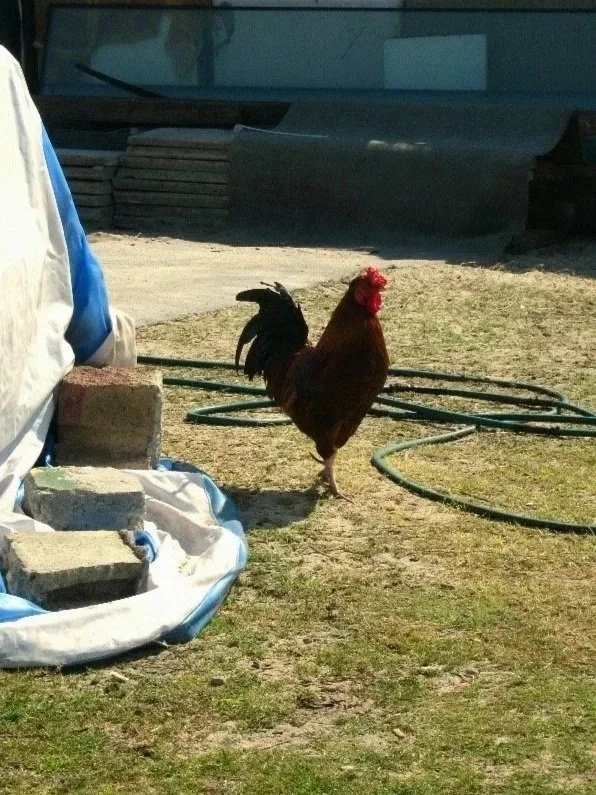
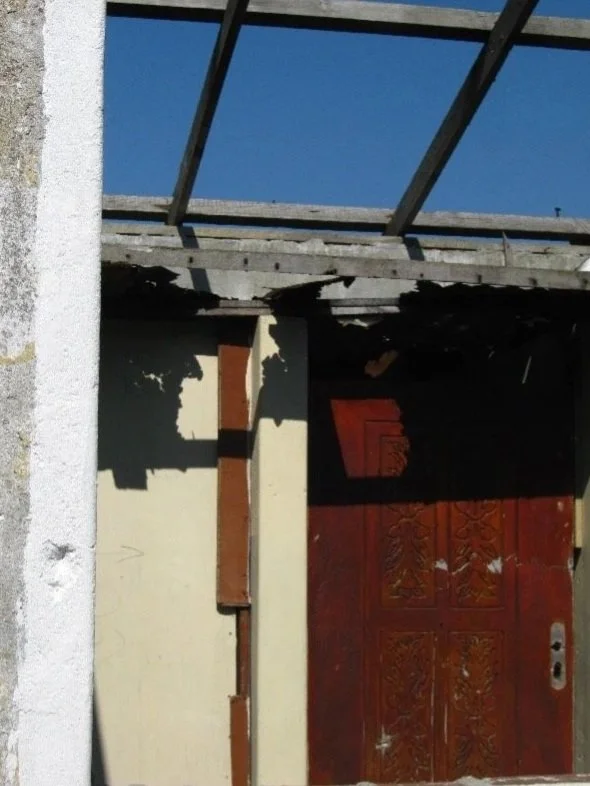
The City’s stalled development of erf 1212 inspires little hope for change despite upcoming local government elections. For over a decade the City has proposed the development of the area via the Strandfontein Integrated Housing Project which promises the construction of 750 free housing units, sewerage infrastructure, and nature reserves. Members of the Project Engagement Committee have pointed out however, that the City’s plans for development do not factor in necessary infrastructures such as education, healthcare, and economic hubs. The committee also remains reluctant to sign-off on the project due to a lack of clarity on how the houses will be allocated. The project, in the eyes of the residents is a nonstarter, where adequate resource allocation is concerned.
They say that there is no opposition to the development plan, barred that “the people currently living in the informal settlements and in Strandfontein backyards are given preference”. Residents and Headmen of the kraal detail that they have been on Cape Town’s housing waiting list for 30-40 years, explaining that they have “learned not to depend on them” and that “when it comes to hope [for help] from the City, there is none”. Their lived experience now a testament to governmental failure in addressing Cape Town’s housing crisis. Ward 43 councillor and Sub-council 17 chair Elton Jansen said, “houses look better than shacks” and that “the project is crucial for addressing crime and property values in the area”, an indictment of the City putting its profits over its people.
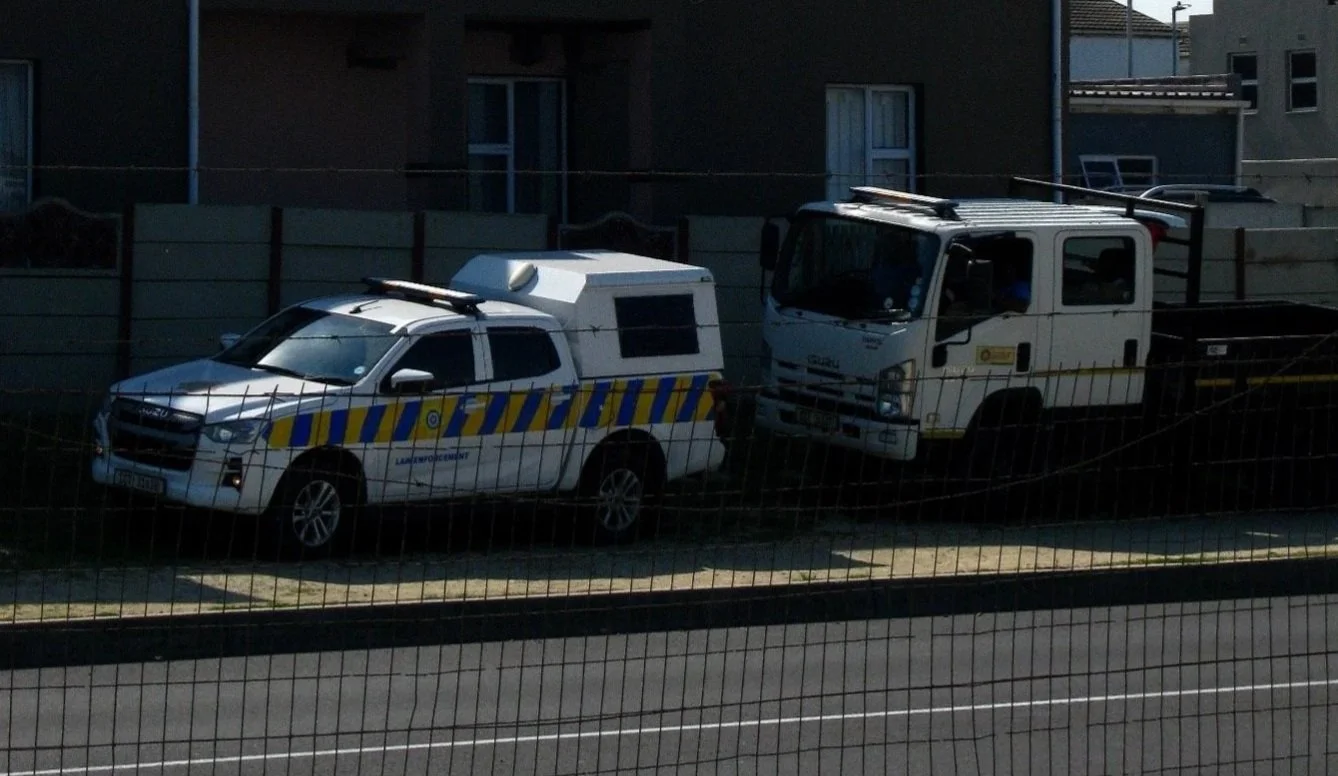
SAPS vehicle and municipal loading vehicle stand guard, waiting to demolish and haul away new structures via Nurah Fisher
Headmen of the kraal said, “We don’t want to be classified as an informal settlement,” despite the infrastructural affordances the classification would provide, such as water, sanitation and electricity. In their acknowledgement, they add that “our heritage is not for sale” and that recognition will not cost them a compromise. Their mission is one rooted in the preservation of the land for community-building and devotion towards community-wide safety. Through the efforts of one Headman, who “slept in his car for weeks on end to keep the gangsters away,” Chief Fortuin reminds the City that the Khoisan understand what it means to serve and protect a community.